
 English
Views: 0 Author: Site Editor Publish Time: 2026-06-05 Origin: Site


Minor surface wear on an engraved cylinder might look harmless at first glance. However, this hidden degradation carries massive operational risks for your facility. A slight mechanical misalignment does not just ruin aesthetic quality. It exponentially increases scrap rates and unplanned machine downtime. High-volume manufacturing depends heavily on exact operational tolerances. Industries ranging from tissue converting to metal roll forming require absolute precision. Neglecting routine maintenance degrades these tight tolerances quickly. Your profit margins shrink as production efficiency drops.
A structured preventive maintenance program transforms your entire manufacturing facility. You transition daily operations from reactive firefighting to predictable output. You maximize machine performance continuously instead of battling breakdowns. You will learn how structured maintenance directly boosts your production volumes. We will explore system-wide alignment variables that impact quality. We will also detail specific cleaning protocols and strict repair thresholds. Protecting your equipment investment starts with a proactive strategy.
Proactive maintenance drives ROI: Regular cleaning and inspection of embossing rollers directly reduce machine downtime and material waste.
System health matters: The performance of an embossing roller is heavily dependent on the condition of its corresponding backup rollers and bearings.
Data-driven lifecycle decisions: Tracking wear patterns allows plant managers to accurately forecast whether to repair, re-engrave, or completely replace a roller.
Vendor expertise is critical: Partnering with specialized machining providers ensures engraving integrity and precise tolerance restoration.
Reactive maintenance disrupts your entire production schedule instantly. When a manufacturing line stops unexpectedly, financial losses compound rapidly. You pay machine operators for unproductive idle time. You miss critical shipping deadlines for important clients. You might even incur expensive rush freight charges later. Scheduled preventive maintenance requires a very minimal time investment. The return on this brief planned pause is massive. You avoid catastrophic mechanical failures entirely. Maintenance teams can plan their tasks efficiently during shifts. They order replacement parts well ahead of time. Predictable maintenance schedules keep your business highly profitable.
Worn engraving patterns ruin product consistency across batches. Uneven roller pressure causes severe visual defects instantly. You end up rejecting entire pallets of finished material. This waste directly impacts your bottom line. An improperly maintained Embossing Roller fails to transfer patterns accurately. You lose expensive raw materials continuously. Tissue paper lacks its desired bulk and softness. Metal sheets fail structural rigidity tests. Vinyl flooring shows visible seam errors and poor textures. You must rework or discard these rejected goods entirely. Scrap reduction remains a primary benefit of rigorous maintenance.
A compromised cylinder forces other machine components to work much harder. Motors draw excess electrical current to push materials forward. They force thick webs through highly uneven nips. Bearings face abnormal physical stress loads daily. Backup rolls suffer premature physical failure. System-wide wear accelerates quickly under these poor conditions. Your facility energy consumption spikes as efficiency plummets. Mechanical friction generates unwanted, damaging heat. This heat degrades lubricating greases much faster. Minor surface issues escalate into major mechanical overhauls quickly. You must protect the entire machine system proactively.
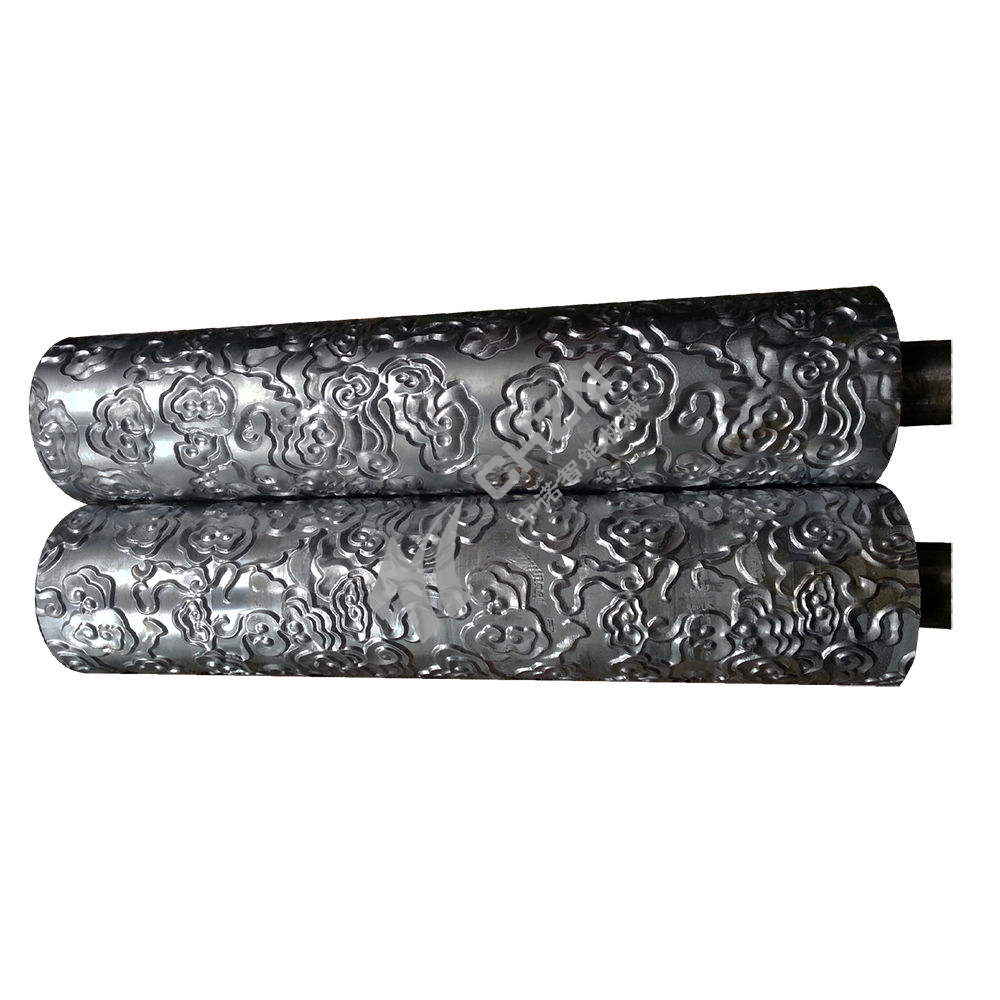
You need strict operational rules for equipment sanitation. Using material-appropriate chemical solvents is absolutely essential. Harsh chemicals easily degrade rubber backup components. They also cause microscopic abrasions on hardened steel surfaces. You must remove substrate buildup very carefully. Paper dust, industrial adhesives, and metal shavings accumulate fast.
Use soft-bristle brass brushes to clear debris safely.
Apply mild, OEM-approved solvents to dissolve stubborn adhesives.
Avoid abrasive scouring pads completely during cleaning. They destroy engraved profiles rapidly.
Implement a strict end-of-shift light wipe-down routine daily.
Consistent cleaning preserves the microscopic peaks of your tooling pattern. It ensures crisp, clear impressions on every single production run.
Regular metrology checks prevent catastrophic line failures. You should track Total Indicator Reading (TIR) routinely. This identifies early signs of dangerous shaft deflection. It also measures concentricity loss accurately. Industry standards recommend using precise metrology instruments.
Mount the cylinder securely on precision ground V-blocks.
Place calibrated dial indicators at the cylinder center.
Position additional indicators at both bearing journals accurately.
Rotate the heavy cylinder slowly to measure surface runout.
Document the TIR values in your permanent maintenance log.
Visual and tactile inspections also matter greatly. Look for surface scoring under bright inspection lights. Feel for pattern flattening along the edges. Watch for tiny rust pits forming.
Off-machine storage requires extreme care and thoughtful preparation. Incorrect storage causes permanent dimensional damage quickly.
Store cylinders vertically when facility ceiling height permits.
Rest them on proper journals for horizontal storage. This absolutely prevents central bowing.
Wrap cylinders tightly in volatile corrosion inhibitor (VCI) paper. Keep environmental moisture away.
Use dedicated, padded lifting cradles during forklift transport.
Never rest a heavy cylinder directly on its engraved face. This simple handling mistake ruins costly tooling instantly.
An Embossing Roller rarely fails in a vacuum. It relies heavily on supporting line components operating perfectly. The rubber backup roller is particularly crucial here. A degraded backup cylinder causes uneven surface pressure. Improper durometer matching leads to poor embossing quality. It also causes premature wear on the hardened steel roll. You must inspect both mating components simultaneously. Rubber hardens over time due to constant heat exposure. It loses its vital elasticity. A hardened backup roll crushes delicate web materials. It acts like a rigid anvil rather than a forgiving cushion.
Routine nip impression tests are absolutely vital. They ensure uniform pressure across the entire web width. You use specialized carbon paper for this specific task. Pressure-indicating film also works exceptionally well. Plant managers often make a critical operational mistake here. They over-pressure the hydraulic system to compensate for wear. This tactic is highly destructive. Over-pressuring accelerates tool failure rapidly. It crushes the engraved pattern permanently. It burns out roller bearings prematurely. You must calibrate alignment using precision feeler gauges first. Ensure exact parallel alignment before applying heavy hydraulic pressure.
Troubleshooting Common Alignment Issues | ||
Symptom observed | Probable Root Cause | Required Action |
|---|---|---|
Uneven pattern depth across web | Misaligned nip or uneven backup roll wear | Perform nip impression test; recalibrate alignment. |
Substrate tearing or web breaks | Excessive nip pressure or deep debris buildup | Reduce hydraulic pressure; clean engraved valleys. |
Excessive vibration at station | Bearing failure or severe core deflection | Measure TIR immediately; inspect journal bearings. |
You need clear rules for tooling lifecycle management. Data-driven decisions prevent wasted maintenance budgets entirely. Tracking wear patterns lets you forecast machinery needs accurately.
Minor surface issues do not require a full tool overhaul. Surface conditioning often restores original machine performance. You can polish out microscopic metal burrs easily. Journal repair fixes minor machine mounting problems. Bearing replacement resolves operational vibration issues quickly. These minor repairs are highly effective. They keep your production line running smoothly. Act quickly when you spot minor surface scoring. Delaying small tooling repairs leads to massive operational failures later.
Stripping and re-engraving an existing core makes excellent financial sense. The steel core must maintain its base structural integrity. Concentricity limits must remain within original OEM specifications. The machining vendor strips the old pattern completely. They turn down the outside diameter slightly. Then, they apply a fresh, sharp engraved profile. This specific process costs significantly less than buying new tooling. The vendor turnaround time is often much faster. You recycle the heaviest part of the tool.
Sometimes, total tool replacement is your only viable option. You must establish clear operational criteria for this step. Replace the unit entirely if the core structure is compromised. Severe shaft deflection cannot be fixed safely. Upgrade to a completely new unit when running new patterns. Also replace it if production speeds exceed legacy specifications. A brand new Embossing Roller handles higher stress demands easily. It incorporates modern alloys and advanced dynamic balancing techniques.
Lifecycle Decision Framework Chart | ||
Equipment Condition | Structural Integrity Status | Recommended Action |
|---|---|---|
Minor surface rust, mildly worn journals | Intact (TIR within OEM spec) | Repair & Recondition |
Flattened pattern, poor visual impression | Intact (Adequate wall thickness remains) | Strip & Re-Engrave |
Severe bowing, deep surface gouges | Compromised (Fails ultrasonic testing) | Total Replacement |
Assess your potential machining vendors carefully. They must match original OEM specifications exactly. Ask about their proficiency in advanced engraving techniques. Laser engraving suits fine microscopic details perfectly. Mechanical engraving works better for deeper, aggressive patterns. Their expertise must align closely with your unique application. Tissue converting requires vastly different engineering skills than vinyl flooring. Ensure they understand your specific substrate behavior perfectly. Ask for engineering case studies from similar manufacturing environments.
Look for partners offering full, transparent diagnostic services. They should conduct thorough incoming tooling inspections. Demand documented TIR reports before approving any machine work. Metallurgical analysis identifies hidden core fatigue effectively. A specialized machining provider guarantees final engraving integrity. They ensure precise tolerance restoration prior to shipping. Avoid vendors who guess at repair needs blindly. Data-driven diagnostics prevent repeat failures on your production line.
Evaluate vendor operational capacity rigorously. They must meet your strict maintenance shutdown windows reliably. Extended production losses hurt your corporate profit margins. A reliable partner ensures supply chain stability consistently. They stock necessary replacement parts locally. They deliver repaired cylinders on time, every single time. Ask about their emergency expedite capabilities. A great machining partner minimizes your operational downtime aggressively.
Maintenance is a strategic operational investment. It is not merely an annoying line-item expense. Proper care protects your capital equipment thoroughly. It directly boosts your daily production efficiency. Clean your cylinders regularly using approved, safe methods. Inspect your backup systems frequently for durometer changes.
Audit your current preventive maintenance schedules today. Assess the exact physical condition of your operational rolls. Check your backup rollers carefully for uneven surface wear. Finally, consult a specialized machining partner immediately. Request a comprehensive baseline tolerance evaluation for your equipment. These proactive steps guarantee maximized manufacturing performance continually. You will reduce material scrap and increase your bottom line.
A: It depends heavily on the substrate and your production volume. Typically, it requires an end-of-shift light wipe-down. You should schedule deeper, periodic maintenance during planned line stops. Heavily coated materials require more frequent deep cleaning to prevent hard buildup.
A: Look for inconsistent pattern depth on your final product. You might also spot visible substrate buildup trapped in the engraved valleys. Unusual vibration or increased squeaking noise from the roll station also indicate early failure stages.
A: Yes. If the steel core remains structurally sound, you have options. Machinists can repair worn journals easily. The surface can often be stripped entirely and re-engraved. This process saves significant capital over purchasing a total replacement.
A: This symptom typically points to mechanical misalignment. It also indicates uneven nip pressure across the web width. Uneven wear on the rubber backup roller or degraded journal bearings are common culprits. It rarely means the metal engraving itself failed.


